RAPID STUDY DESIGN
The RAPID study was a randomized, double-blind, placebo-controlled, phase 3 study designed to evaluate the efficacy and safety of CARDAMYST™ (etripamil) nasal spray in patients with a history of PSVT1
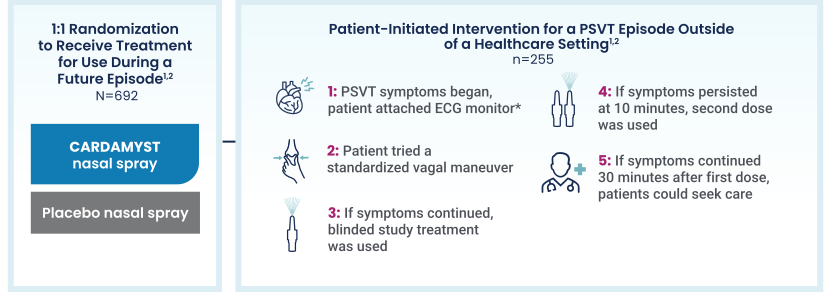
Prior to randomization, patients underwent a supervised safety screening and received 2 test doses of CARDAMYST 70 mg delivered 10 minutes apart. Patients were excluded if they could not tolerate the regimen, experienced significant hypotension, or developed prespecified cardiac events (eg, atrioventricular [AV] block, severe bradycardia, significant arrhythmias). Nearly all patients (98.7%, 697/706) tolerated the test dose regimen.2,3
Patients self-administered CARDAMYST 70 mg intranasally upon experiencing symptoms of PSVT, and a second 70-mg dose was administered if symptoms persisted 10 minutes after the first dose.1
The primary endpoint was time to conversion of confirmed PSVT to sinus rhythm within 30 minutes of the first dose1†
*Use of wearable ECG devices is not required prior to administration of CARDAMYST.1
†All electrocardiograms (ECGs) were blindly adjudicated by an independent committee of cardiac electrophysiologists who verified that the presenting rhythm was PSVT and that conversion to sinus rhythm persisted for at least 30 seconds. In the RAPID study, 184 out of 255 episodes (72%) were confirmed to be AV nodal-dependent PSVT and used in the primary analysis.1,2
Key inclusion criteria3
≥18 years of age
ECG-documented diagnosis of PSVT
PSVT episodes ≥20 minutes
Patients who had undergone ablation were eligible as long as they had ECG evidence of PSVT post-ablation
Key exclusion criteria3
2nd or 3rd degree AV block
Severe symptoms of hypotension during PSVT
Heart failure NYHA Class II-IV
Evidence of pre-excitation (delta wave, WPW, or LGL)
The RAPID study enrolled adult patients with a history of symptomatic PSVT1

63% of patients
were taking a concomitant beta blocker or calcium channel blocker1

Median age of 54 years (range, 19-78 years)1

71% female1

Rapid conversion
Review clinical outcomes from the RAPID study.

Favorable safety profile
Most adverse events were localized to the nasopharynx.1,2

Connect with a rep
Get helpful information on CARDAMYST.